
1. Tanji Fishing Village: Experience Life on the Coast
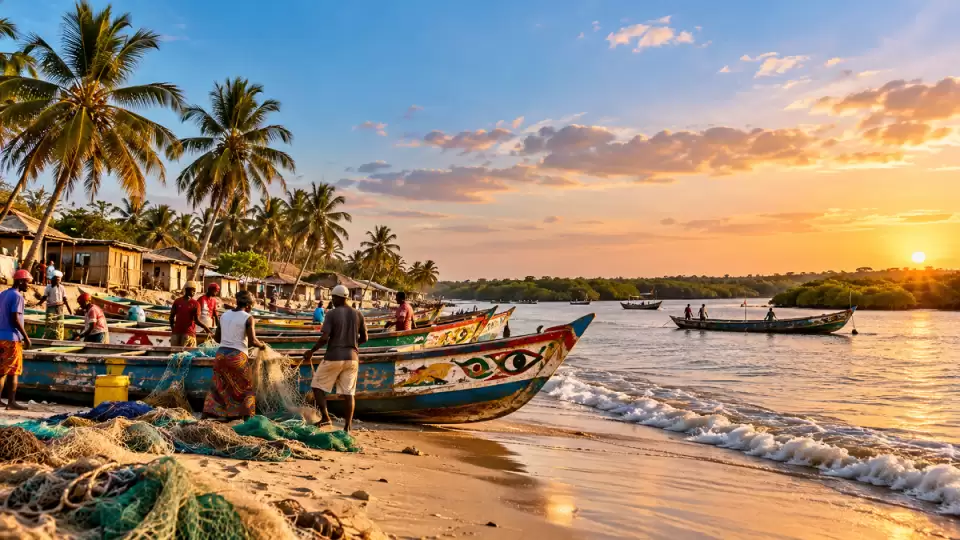
Tanji Fishing Village is one of the most memorable places to experience everyday coastal life in The Gambia. The beach is a working fishing area where brightly painted boats bring in their catch and fish are sorted, sold and prepared for local markets.
The atmosphere can be lively, especially when boats return and the day’s work gets underway. You may see fishing boats on the sand, fish traders at work and smokehouses used to preserve fish. It is a fascinating place to understand how fishing supports local livelihoods.
Tanji is also close to the Tanji River Bird Reserve, making the area appealing to visitors interested in both community life and nature.
What to do in Tanji
- Observe the fishing boats and the daily fish landing.
- Learn about local fishing and fish-processing traditions.
- Explore the coastline and nearby communities.
- Combine your visit with birdwatching, where conditions and access allow.
Travel tip: Ask before taking close-up photographs of people, particularly when they are working. Wear shoes suitable for a working beach and follow local guidance around boats and equipment.
2. The Atlantic Coast: Beaches and Seaside Relaxation
The Gambian coastline offers long stretches of sand, ocean views and opportunities to slow down. Some areas are developed around hotels and restaurants, while others retain a quieter, more local atmosphere.
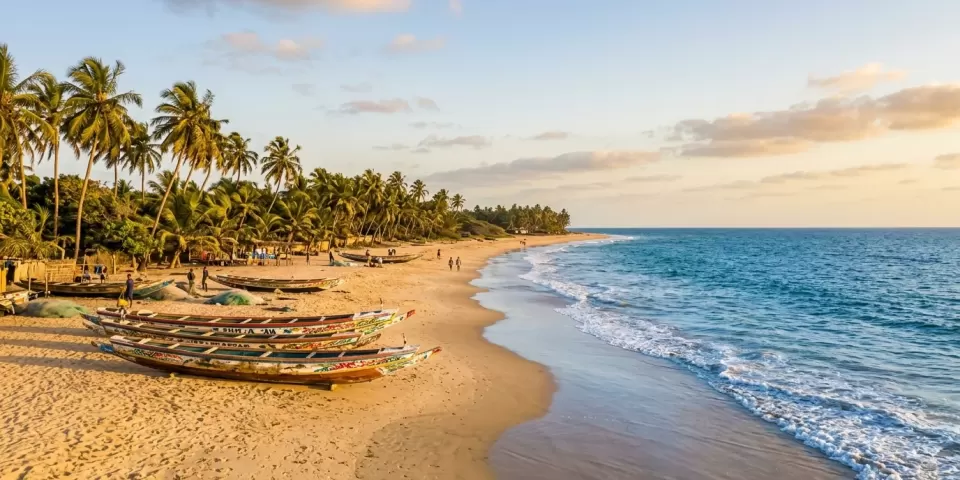
Choose your beach according to the kind of day you want. You might prefer a lively coastal area with places to eat, a quiet walk by the water or a beach where fishing remains part of everyday life. Sanyang and Gunjur are also worth considering if you want to explore further along the coast.
Swimming conditions vary. Waves, currents and local conditions can make some stretches of water unsafe, so follow local advice and do not assume that every beach is suitable for swimming.
3. Tanji River Bird Reserve: A Place for Birdwatching
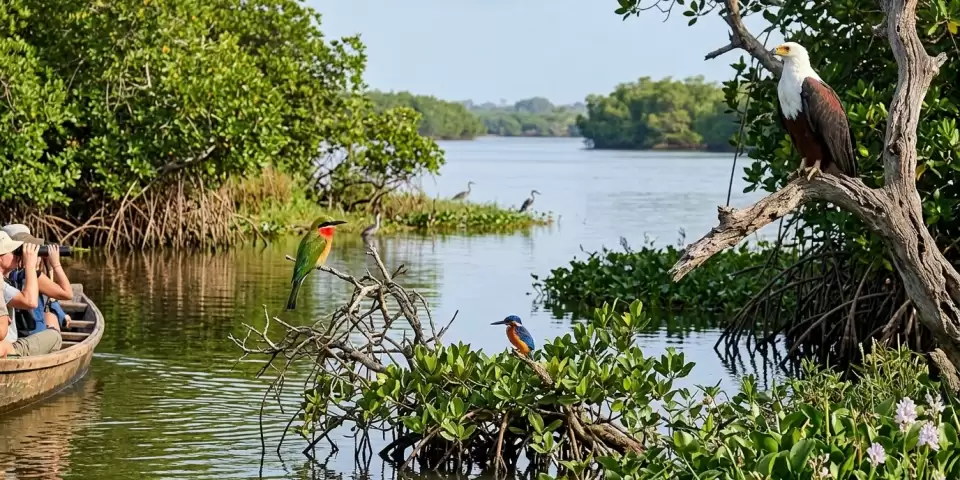
Nature lovers should consider the Tanji River Bird Reserve, also known locally as Karinti. This protected coastal landscape includes wetlands, lagoons, mangroves, dunes and woodland. It is an important area for birds and other wildlife.
The reserve is particularly attractive to birdwatchers, photographers and visitors who want to see a more natural side of The Gambia. Depending on the season, you may observe a variety of resident and migratory birds. The nearby Bijol Islands are also important for birds and marine wildlife.
How to make the most of your visit
- Consider going with a knowledgeable local birdwatching guide.
- Bring binoculars if you have them.
- Wear comfortable walking shoes and carry drinking water.
- Keep a respectful distance from wildlife and avoid disturbing nesting birds.
Bird sightings change with the season and weather, so no particular species can be guaranteed. Check access arrangements before travelling.
4. Bijilo Forest Park: A Walk Among the Trees
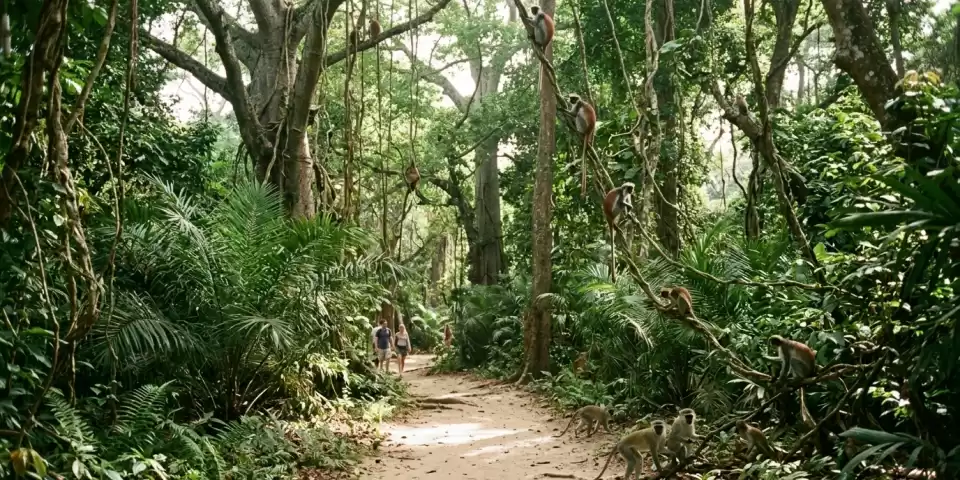
Bijilo Forest Park, often called Monkey Park, is a coastal forest reserve popular with visitors who want a nature experience without committing to a long excursion. Walking paths lead through vegetation that provides habitat for monkeys and a range of bird species.
It is a good option for travellers who want a break from busy roads and beach activities. Take your time, listen for birds and look carefully into the trees rather than expecting wildlife to appear on demand.
Travel tip: Observe monkeys from a respectful distance. Do not feed them or carry food openly near wildlife. Check current visitor rules and access conditions before setting off.
5. Abuko Nature Reserve: Discover Gambia’s Wildlife
Abuko Nature Reserve is one of the country’s best-known protected nature areas. Its combination of riverine forest, woodland and water features makes it a rewarding destination for nature enthusiasts and birdwatchers.
Visitors may encounter monkeys, birds and other wildlife along the trails. The experience is different from the open coastal landscape around Tanji: here, the emphasis is on shaded paths, vegetation and observing animals in their habitats.
Allow enough time to walk at a comfortable pace, and consider a guide if you want to learn more about the reserve’s ecology. Sightings vary, so approach the visit as an opportunity to explore rather than a guarantee of seeing a particular animal.
6. Makasutu Cultural Forest: Nature and Cultural Experiences
Makasutu Cultural Forest offers a different kind of excursion, combining natural landscapes with cultural experiences. The wider area includes varied habitats, such as woodland, palm areas and waterways, and may be explored through organised activities.
Depending on current availability, visits can include guided walks or boat experiences. A guide can help you understand the landscape, local traditions and the importance of respecting the environment.
Before booking, confirm what the excursion includes, how long it takes, transport arrangements and whether activities are suitable for your group. This is a good choice for travellers who want to combine nature with learning about local life.
7. Kachikally Crocodile Pool: Culture and Tradition in Bakau
Kachikally Crocodile Pool in Bakau is a well-known cultural site that attracts visitors interested in the traditions and heritage associated with the location. It is often included in tours of the coastal region.
Rather than treating the site as simply an opportunity to see crocodiles, take time to learn about its cultural significance and the stories shared by local guides. Be respectful of local beliefs and follow all site instructions.
Wild animals should always be treated with caution. Do not touch or approach crocodiles unless a clearly authorised and supervised activity is part of the official visitor experience, and follow the site’s guidance at all times.
8. Banjul: Explore the Capital
Banjul, the capital of The Gambia, offers a different perspective on the country. Located on St Mary’s Island near the mouth of the River Gambia, it is a place to explore historic landmarks, public spaces and the rhythms of city life.
Visitors often include Arch 22 and the National Museum in a city visit. The museum can provide context for the country’s history and cultural heritage, while exploring the city gives you a feel for its streets, businesses and daily routines.
Check current opening times for museums and landmarks before travelling, and allow extra time for traffic and transport. Depending on where you are staying, Banjul may be better suited to a planned excursion than a quick stop.
9. Local Markets: Crafts, Textiles and Everyday Life
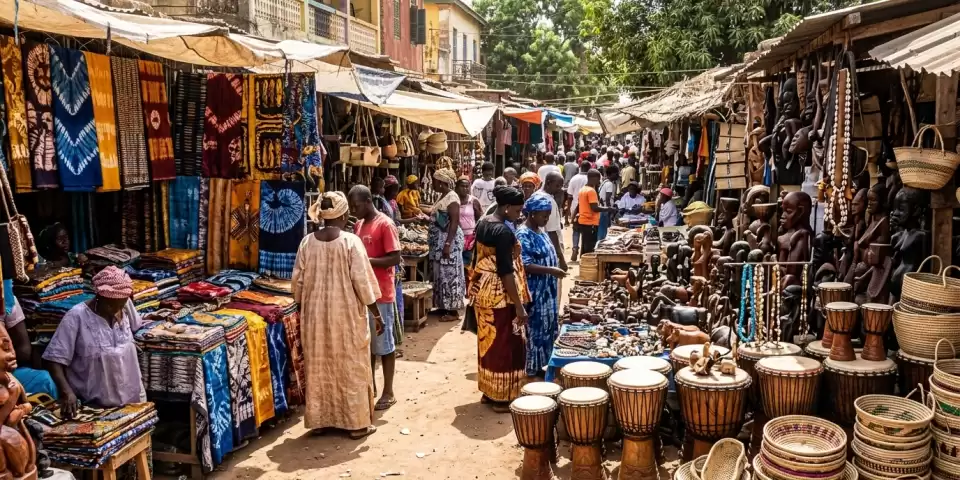
Markets are among the most engaging places to experience daily life in The Gambia. Depending on where you visit, you may find colourful fabrics, batik, woven baskets, wood carvings, jewellery, fresh produce and other locally sold goods.
Albert Market in Banjul is one option for visitors exploring the capital. Craft markets in and around the coastal tourist areas may be more convenient if you are staying near the beaches.
Take time to browse and speak with vendors where appropriate. If you want to photograph someone or their stall, ask permission first. For purchases, agree on the price before completing the transaction and carry cash securely.
10. Kunta Kinteh Island and Albreda-Juffureh: Understand the Past
For travellers interested in history, Kunta Kinteh Island and the related heritage sites along the River Gambia offer an important opportunity to learn about the region’s past and the transatlantic slave trade.
The UNESCO World Heritage property includes Kunta Kinteh Island and several related sites, including historic remains associated with Albreda and Juffureh. The area preserves evidence of the encounters between Africa and Europe and the trade networks that developed along the river.
This is a historically significant and painful subject. A visit is best approached with care and respect, allowing time to listen to guides and understand the experiences of the people affected by slavery and forced displacement.
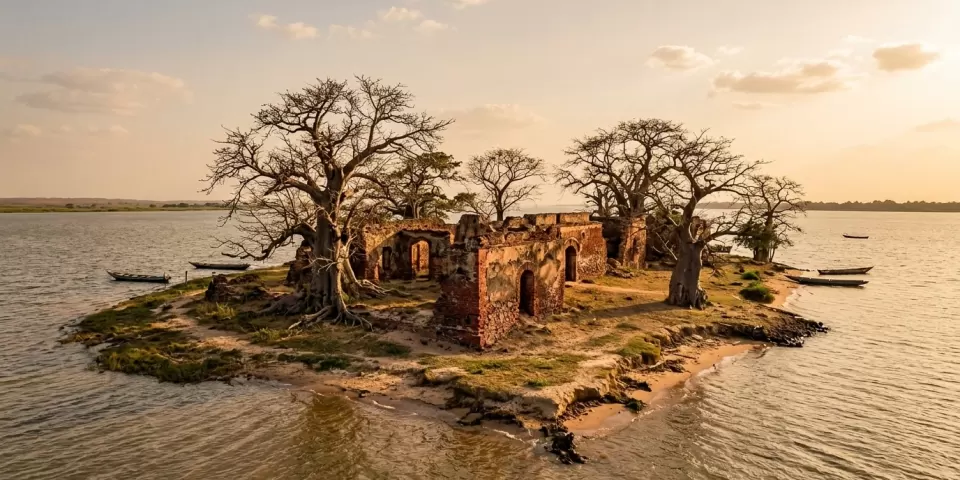
Unlike the coastal destinations around Tanji, this excursion requires more planning. Boat transport and road travel may be involved, so arrange the trip with a reputable operator, confirm the itinerary in advance and allow sufficient time for the journey.
11. Wassu Stone Circles: An Archaeological Heritage Site
If you have more time and want to explore beyond the coast, the Wassu Stone Circles in central The Gambia are worth researching. These ancient stone monuments are part of the Senegambian Stone Circles UNESCO World Heritage property, which extends across The Gambia and Senegal.
The site offers a chance to learn about the region’s archaeological heritage and the communities that created and used these monuments long before modern tourism. It is a very different experience from the beaches, forests and fishing villages of the coastal region.
Wassu is a substantial journey from the coast, so it is generally better planned as part of a longer inland excursion rather than added casually to a short coastal holiday. Confirm transport, guide arrangements and current access information before travelling.
12. Sanyang and Gunjur: Explore More of the Coast
Travellers who enjoy coastal scenery may want to explore Sanyang and Gunjur. These areas offer another perspective on the Atlantic coast, with fishing communities, sandy beaches and local businesses.
They can be good choices for a relaxed outing, photography or a longer drive along the coast. The atmosphere and facilities differ from one beach to another, so ask locally about access, places to eat and conditions on the day.
As with any coastal visit, respect working areas, keep the beach clean and follow local advice about the sea.
How to Choose the Best Places for Your Trip
You do not need to visit every destination to enjoy The Gambia. The right selection depends on how much time you have and what you most want to experience.
- For a short coastal holiday: Focus on Tanji, nearby beaches, local markets and one nature experience.
- For birdwatching: Consider Tanji River Bird Reserve and Abuko Nature Reserve, ideally with a knowledgeable guide.
- For culture and local life: Explore Tanji Fishing Village, markets and a cultural activity arranged with local hosts.
- For history: Consider Banjul’s heritage sites and, if you have enough time, a planned trip to Kunta Kinteh Island and related sites.
- For a longer adventure: Look into Makasutu or an inland trip to the Wassu Stone Circles.
Practical Travel Tips for Visiting The Gambia
- Check the season: Weather, rainfall, road conditions and wildlife sightings vary throughout the year.
- Plan transport realistically: Distances and journey times can be affected by traffic, roads and the need for boat transfers.
- Confirm prices and access: Check current entrance fees, opening times and excursion details before departure.
- Respect local communities: Ask before photographing individuals, follow local customs and dress appropriately for cultural or religious settings.
- Protect yourself from the sun: Carry water, sunscreen, a hat and comfortable footwear.
- Choose responsible wildlife experiences: Avoid feeding wild animals or activities that disturb their natural behaviour.
- Leave room for flexibility: A relaxed schedule gives you time to enjoy unexpected discoveries.
Where to Stay When Exploring The Gambia
Your accommodation can shape the kind of trip you experience. Staying near the coastal resort areas may suit travellers who want easy access to restaurants and established tourist facilities. Staying around Tanji can be appealing if you are interested in fishing village life, coastal nature and local experiences.
Think about the places you most want to visit before choosing your base. Some destinations are close enough for a shorter outing, while historic and inland sites may require a full day or more. Ask about transport and excursions before making a final plan.
Discover The Gambia with Franco Inn
The best places to visit in The Gambia are not only landmarks on a map. They are also the fishing communities, natural habitats, markets and cultural experiences that help you understand the country beyond the usual tourist route.
From Tanji’s working coastline to birdwatching and local cultural activities, there are many ways to make your stay meaningful. Franco Inn can help you explore options around Tanji and plan a visit that suits your interests and available time.
Visit Franco Inn to learn more and start planning your Gambia experience.
Frequently Asked Questions
What are the best places to visit in The Gambia for first-time visitors?
Tanji Fishing Village, the Atlantic coast, Tanji River Bird Reserve, Abuko Nature Reserve, Banjul and local markets make a varied introduction. The best combination depends on your interests and where you are staying.
Is Tanji worth visiting?
Yes, if you are interested in coastal life, fishing traditions and local communities. It can also be combined with nature experiences in the nearby Tanji River Bird Reserve.
Can I visit the main attractions in one week?
You can visit several coastal highlights in a week, but covering the entire country would be rushed. Destinations such as Kunta Kinteh Island and the Wassu Stone Circles need additional travel planning, so choose the experiences that matter most to you.
Is The Gambia suitable for nature lovers?
Yes. Coastal wetlands, bird reserves and forest habitats offer opportunities for birdwatching and wildlife observation. Sightings depend on season, location and conditions.
Do I need a guide to visit these places?
Not every destination requires a guide, but local guides can add valuable context, help with logistics and improve nature or heritage visits. For longer excursions, confirm the route, transport and price before departure.
