
Birdwatching in The Gambia: A Beginner’s Guide
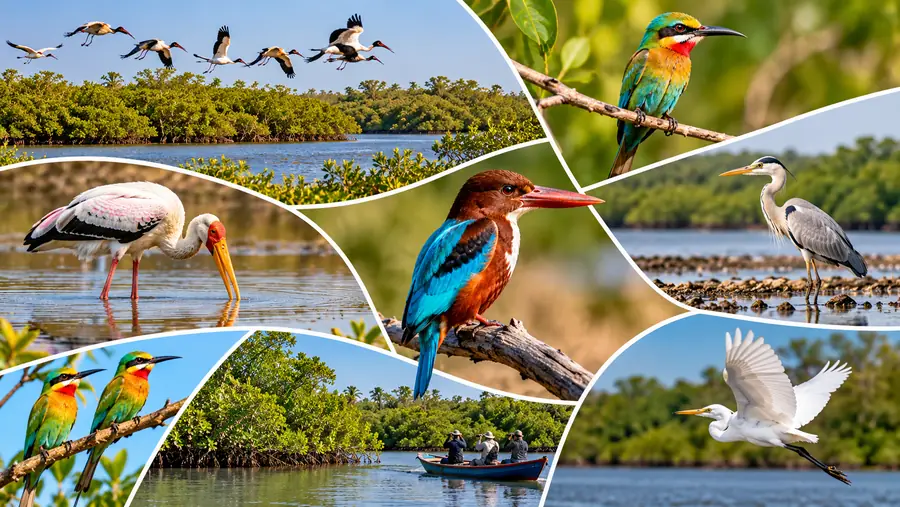
The Gambia is a fascinating destination for nature lovers and birdwatchers. Although the country is relatively small, it offers a variety of landscapes, including mangroves, wetlands, woodlands, riverbanks and the Atlantic coast. These different habitats provide opportunities to discover birds in their natural surroundings.
You don’t need to be an experienced birdwatcher to enjoy the experience. A peaceful walk, an excursion with a local guide or a visit to a nature reserve can introduce you to the remarkable birdlife of The Gambia. With a little patience, a pair of binoculars and an interest in nature, birdwatching can become one of the highlights of your trip.
In this beginner’s guide, you’ll discover interesting places to look for birds, what to bring on your first birdwatching trip and how to enjoy Gambian wildlife responsibly.
Why Go Birdwatching in The Gambia?
The variety of natural habitats makes The Gambia an interesting destination for birdwatchers. Birds found along rivers and in mangroves may differ from those you encounter in open wetlands, wooded areas and coastal landscapes.
The country’s location also makes it interesting for people who enjoy observing migratory birds. Some species live in the region throughout the year, while others pass through West Africa during their seasonal migrations or spend part of the year there. The birds you see will depend on the season, habitat and conditions on the day of your visit.
You don’t necessarily need to spend an entire day searching for birds. Sometimes, simply sitting quietly in a suitable location and observing your surroundings can be rewarding. For beginners, this is a relaxed way to develop observation skills and learn to recognise different species.
1. Kotu Creek: Birdwatching Among the Mangroves
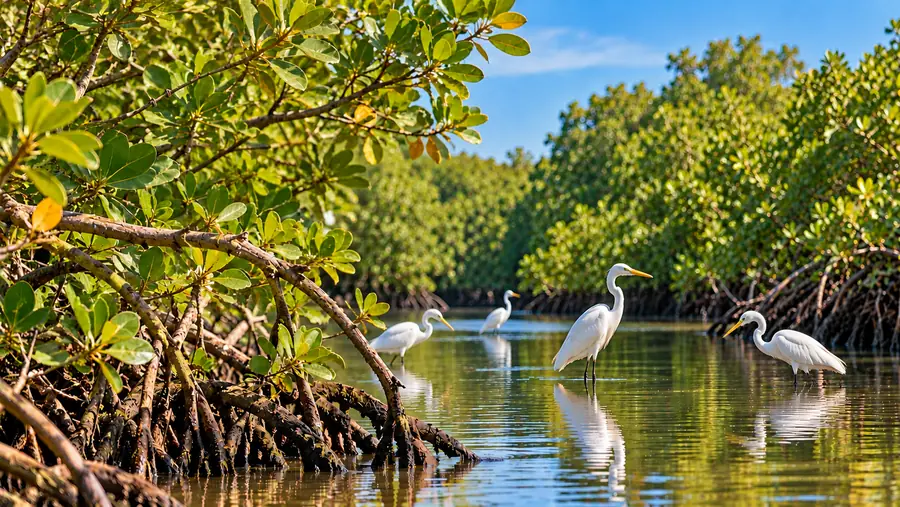
Kotu Creek is an interesting place to explore if you want to observe birds in a waterside environment. The creek and its surrounding vegetation provide different opportunities to watch birds feeding, resting and moving through the plants.
Take your time when looking along the water. Don’t focus only on birds that are easy to see. Watch for movement among the branches and in the vegetation, too. Some birds stand out because of their colours, while others are easier to recognise by their shape, calls or behaviour.
Binoculars are particularly useful for beginners. They allow you to observe birds more clearly without approaching or disturbing them.
Tips for Visiting Kotu Creek
- Observe quietly from a suitable spot beside the water.
- Look for birds in the trees, among the mangroves and along the banks.
- Bring binoculars and, if possible, a bird identification guide.
- Ask locally about suitable observation points and guided birdwatching opportunities.
2. Abuko Nature Reserve: Exploring Nature and Birdlife
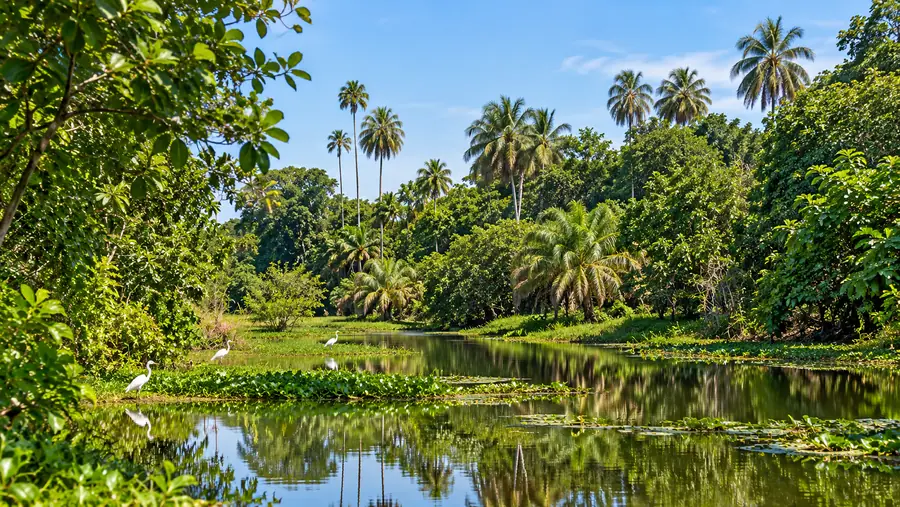
Abuko Nature Reserve is a well-known destination for visitors interested in discovering the natural side of The Gambia. Its greener surroundings offer a different experience from the open coastline, with trees, shrubs and water features shaping the landscape.
During your visit, take time to look carefully around you. Some birds may be high in the trees, while others can be found closer to the water or among the lower vegetation. Listening is also important: bird calls can help you notice activity that might otherwise go unseen.
Visiting a nature reserve isn’t only about counting how many species you can identify. Quiet observation can also help you understand how birds use their surroundings and how different habitats support wildlife.
What to Bring to Abuko
- Binoculars for observing birds at a distance.
- Comfortable walking shoes suitable for the conditions.
- Drinking water and sun protection.
- A notebook or birdwatching app for recording your observations.
Before travelling, check the latest visitor information, opening hours and access requirements. Facilities and visitor arrangements can change.
3. Tanji Bird Reserve: Birdlife and Coastal Nature
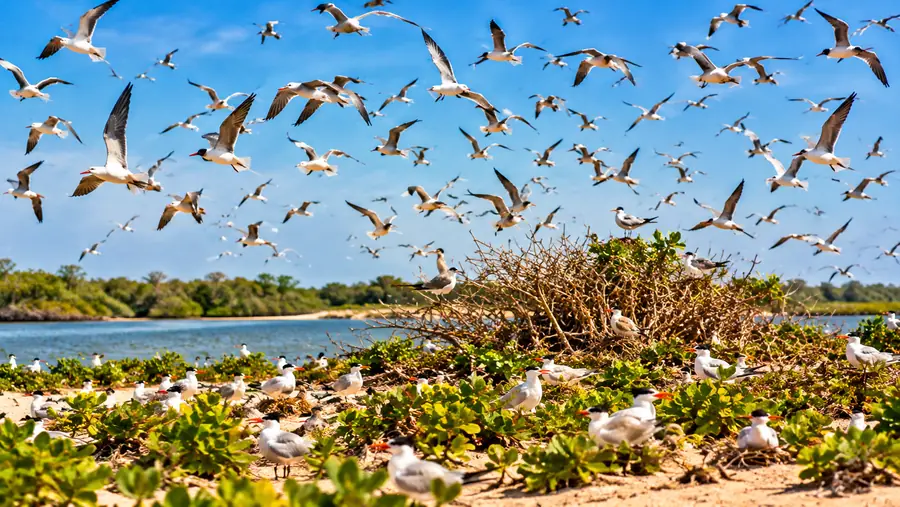
Tanji Bird Reserve is worth considering if you want to combine birdwatching with an exploration of The Gambia’s coastline. Its coastal setting and natural vegetation make it an interesting place to learn more about birds and their habitats.
As with other birdwatching locations, patience is important. Observe how birds move through the area, pay attention to their behaviour and look for patterns in where different species gather. A local guide with knowledge of the area may help you identify birds and understand more about their habits.
Tanji is also known for its fishing community. Exploring the wider area can therefore offer a broader introduction to coastal life in The Gambia. When planning your visit, remember that the reserve, fishing activities and other coastal attractions are distinct places and experiences.
How to Make the Most of Your Visit
- Check current access rules and birdwatching arrangements before your visit.
- Ask a local guide about suitable observation points and times.
- Keep a respectful distance from birds and potential nesting areas.
- Combine your visit with other activities only when the arrangements are practical and appropriate.
4. Birdwatching During Migration Season
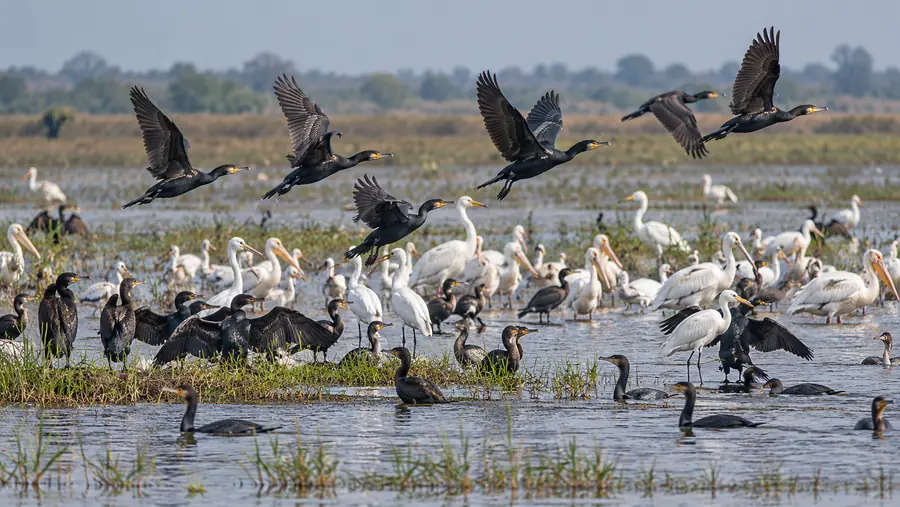
Migration is one reason The Gambia can be interesting for birdwatchers. Some birds travel between Europe and Africa, using different locations along the way to rest and find food. Other species spend particular periods of the year in West Africa.
As a result, the birds present in an area can change throughout the year. Visiting in a different month may bring different sightings, although there is never a guarantee that you’ll see a particular species during an excursion.
If you’re especially interested in migratory birds, ask about recent sightings and the best time to look for the species you hope to see. A local birdwatching guide can help you plan around seasonal patterns.
How Can You Identify Migratory Birds?
For beginners, it can be difficult to tell whether a bird is migratory or resident. Start by learning to identify the bird itself. Note its size, shape, colours, bill, legs and behaviour. Then compare your observations with a reliable bird guide or identification app.
You don’t need to identify every bird immediately. Learning to recognise a few common species is an excellent place to start.
5. Discovering Special Birds: Bee-Eaters and Other Species
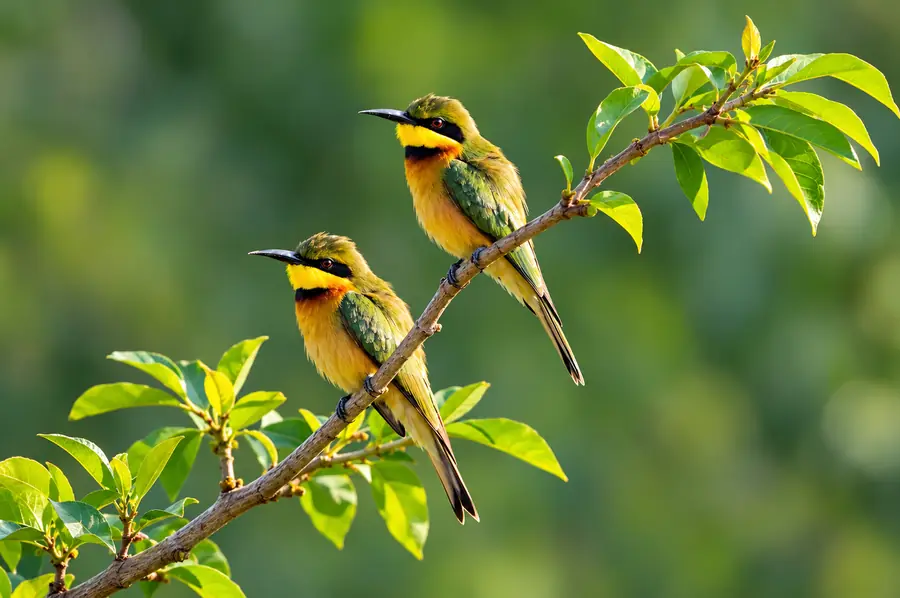
One of the pleasures of birdwatching is discovering species you may rarely see at home. Bee-eaters are a good example. These birds are known for their striking colours and their habit of catching flying insects.
You may also encounter different types of waterbirds, herons, kingfishers and other birds in The Gambia. The species you see will depend on the location, time of year and local conditions.
When you’re starting out, don’t try to identify too many species at once. Choose a small group to learn first. As you become familiar with their shapes, colours and behaviour, identifying other birds will gradually become easier.
When Is the Best Time to Go Birdwatching in The Gambia?
The best time depends on what you hope to see. The season influences which species may be present, while the time of day can affect bird activity and visibility.
Early morning is often a pleasant time to head out. Conditions may be quieter, and birds can be active as they search for food. Later in the day can also offer interesting sightings, depending on the habitat and weather.
Remember that tropical conditions can be hot. Bring enough drinking water, protect yourself from the sun and adjust the pace of your walk to suit the conditions.
What Do You Need for Your First Birdwatching Trip?
You don’t need expensive equipment to get started. A few practical items can make your first birdwatching experience more comfortable and enjoyable.
- Binoculars: Help you observe birds more clearly from a distance.
- A bird guide or app: Useful for comparing species and recording sightings.
- Comfortable clothing: Choose clothes suitable for the weather and surroundings.
- Drinking water: Important when exploring in warm conditions.
- Sun protection: Consider a hat, sunscreen and suitable clothing.
- A notebook or phone: Record where and when you spotted a bird.
- Patience: Quiet observation is often more rewarding than rushing from one location to another.
A camera is optional. You can make valuable observations without taking photographs. If you do photograph birds, avoid using flash and keep a respectful distance.
Birdwatching with a Local Guide
A local guide can make a real difference, particularly if you’re new to birdwatching. Someone familiar with the area may help you identify species, understand bird behaviour and find suitable observation points.
A guide can also explain the landscape, local wildlife and the importance of different habitats. This can turn a simple birdwatching trip into a richer experience of The Gambia’s natural environment.
Before booking an excursion, ask about its duration, transport arrangements, itinerary and what you should bring. The availability of guides and activities may vary by location and season.
How to Respect Birds and Their Habitats
Birdwatching is most rewarding when wildlife is disturbed as little as possible. A few simple habits can help you enjoy nature responsibly.
- Keep your distance instead of trying to get closer to the birds.
- Stay on permitted paths and follow guidance from local guides.
- Never touch nests, eggs or young birds.
- Avoid loud noises intended to make birds react or move.
- Take your rubbish with you and leave the area clean.
- Respect local rules and instructions in protected natural areas.
Remember that the welfare of the birds matters more than getting a photograph or adding another species to your list. Sometimes, the best choice is to observe from a distance and then continue your walk quietly.
Combine Birdwatching with Your Stay in The Gambia
A birdwatching excursion can be a memorable addition to your trip to The Gambia. You can explore nature alongside other experiences, such as discovering local culture, visiting coastal areas or joining a guided excursion.
While staying at Franco Inn, you can plan your trip around the activities and nature experiences that interest you. Ask in advance about current excursion options, travel times and available guides so you can decide what fits your plans.
If you’d like to discover more than the best-known coastal destinations, take time to ask about natural areas and local experiences that match your interests.
Frequently Asked Questions About Birdwatching in The Gambia
Is The Gambia suitable for beginner birdwatchers?
Yes. You can start by observing birds around wetlands, green nature reserves and coastal habitats. Binoculars and, if you wish, a local guide can help you identify different species.
Where can you go birdwatching in The Gambia?
Kotu Creek, Abuko Nature Reserve and Tanji Bird Reserve are interesting places to research when planning a birdwatching trip. Check current access arrangements and ask locally about suitable observation points before travelling.
What is the best time to go birdwatching?
It depends on the species you hope to see and the season. Early morning can be a pleasant time to go out. Ask a local guide about recent sightings and the best period for your interests.
Do you need a guide for birdwatching?
A guide isn’t always necessary, but can be especially helpful for beginners. A knowledgeable guide can help you identify birds and explain more about their behaviour and habitats.
What should I bring on a birdwatching trip?
Binoculars, drinking water, sun protection and comfortable walking shoes are a good starting point. A bird guide or identification app can also help you record and identify your sightings.
Can I take photographs of birds during an excursion?
Yes, provided you avoid disturbing the birds. Keep your distance, avoid flash photography and follow the advice of your guide and the rules of the area.
Discover The Gambia’s Natural Side
Birdwatching is a relaxing and rewarding way to discover another side of The Gambia. From the mangroves around Kotu Creek to the green surroundings of Abuko Nature Reserve and the coastal habitats around Tanji, each location offers a different landscape to explore.
You don’t need to be an expert to enjoy the experience. Start slowly, pay attention to your surroundings and give yourself time to learn. With a little preparation, birdwatching can become one of the most memorable parts of your trip.
